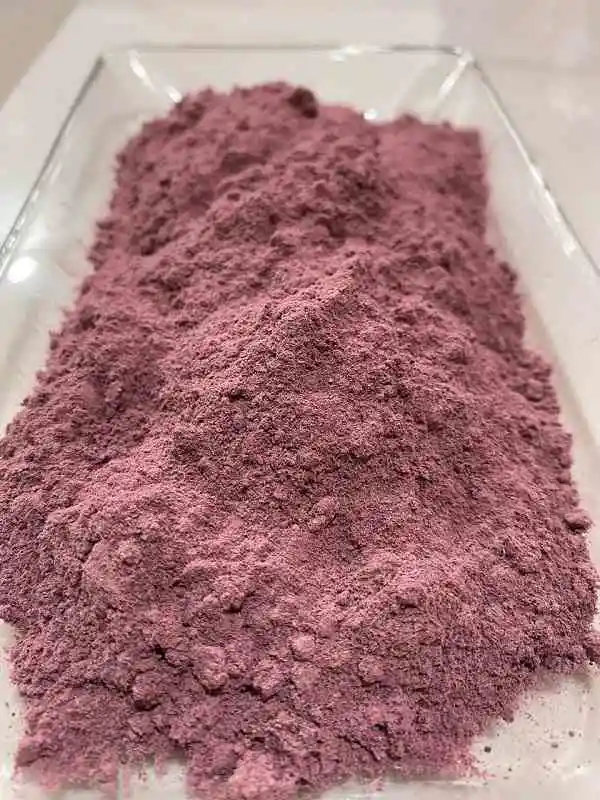
Mexican – Mimosa hostilis Inner Root Bark – Powder
Buyers who buy Mexican Mimosa hostilis inner root bark powder choose a refined botanical product created from the most sought-after portion of the root system—the inner bark. Our processing team mills the bark carefully, ensuring uniform texture, deep natural coloration, and consistent quality across every batch.
Moreover, inner root bark powder delivers superior handling efficiency for research and study. Therefore, individuals searching for Mexican MHRB powder for sale prioritize purity, traceability, and ethical cultivation. This product meets those expectations without compromise.
Additionally, the powdered format streamlines measurement and integration into controlled applications. Users avoid unnecessary preparation steps while maintaining precision and repeatability. Consequently, this product stands out as a premium option for buyers who value clean sourcing, fine milling, and dependable botanical performance.
Why Buy Mexican MHRB Inner Root Bark Powder
-
Produced exclusively from inner root bark
-
Finely milled powder for precision handling
-
Sustainably sourced from Mexican cultivation
-
Ideal for ethnobotanical research and education
-
No fillers, additives, or artificial processing
Propagation of Mimosa Hostilis Through Seeds
Growers propagate Mimosa hostilis primarily through seeds. In natural environments, seasonal rainfall triggers germination. However, in nurseries, growers actively pre-treat seeds to ensure faster and more uniform sprouting.
Growers sow seeds in trays, seedbeds, or individual containers. This controlled method improves early development and reduces plant stress during growth.
Storage of Mimosa Hostilis Seeds
Seeds retain viability when stored in cool, dry, airtight containers. Short-term storage may allow breathable containers, but long-term storage demands sealed vessels to prevent moisture exposure. Proper storage ensures consistent propagation success.
Seed Treatment Before Sowing
Because Mimosa hostilis seeds have a hard outer coat, growers improve germination using these active methods:
-
Cold Water Soak: Soak seeds for 12–24 hours
-
Hot Water Treatment: Brief immersion in warm water, followed by cooling
-
Natural Scarification: Some cultivated seeds germinate without treatment
These techniques increase water absorption and accelerate germination.
Nursery Sowing Practices
Growers sow seeds approximately 1–2 cm deep in sandy, well-draining soil. Seedlings receive partial sunlight and light watering only when the surface dries. This approach strengthens roots and supports steady growth.
Germination Timeline
Seeds typically germinate within 1–3 weeks. Seedlings reach transplant readiness after 4–6 months, depending on environmental conditions and care quality.
Seedling Growth Requirements
Seedlings prefer well-drained soil, moderate sunlight, and temperatures between 20–30°C. Growers protect young plants from frost and excess moisture to ensure healthy establishment.
Usage & Legal Notice
This product is sold strictly for botanical, educational, and research purposes. Buyers must verify local laws before purchase. This product is offered for sale only where legally permitted.

Reviews
There are no reviews yet.