Buy grandfather Lophophora Williamsii Bulk Cactus Specimen
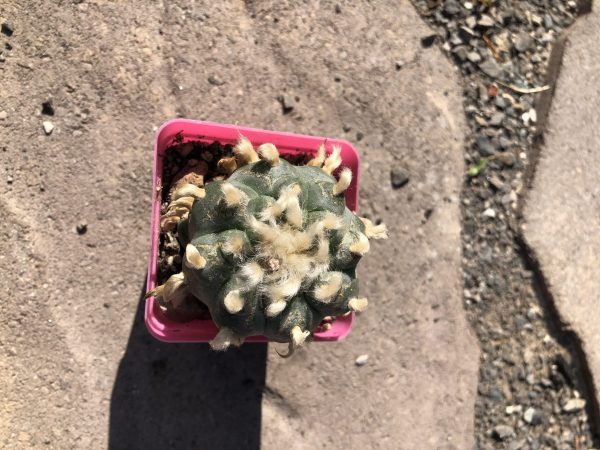
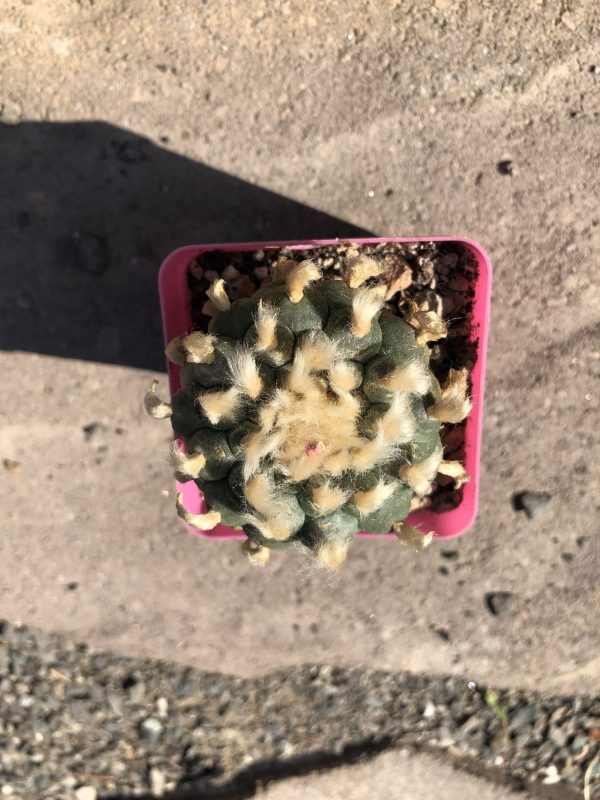
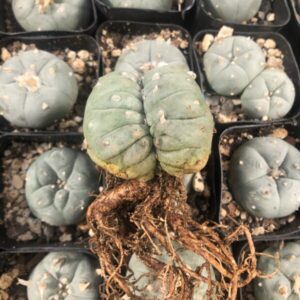
The Grandfather Lophophora Williamsii bulk cactus specimen commands attention with its mature, multi-headed architecture. Because it grows slowly and forms dense caespitose structures, collectors value it as a legacy plant. This aged Williamsii cluster stands out with thick epidermis, deep grooves, and a rich blue-green tone. Additionally, our controlled nursery environment strengthens its resilience and ensures reliable growth performance.
Why Collectors Prefer This Aged Peyote Cactus
Collectors choose this aged Lophophora Williamsii cluster for its longevity, visual impact, and impressive root mass. Moreover, the plant adapts quickly to new environments, which reduces transplant stress and supports stable development. You also gain a high-value cactus that elevates any collection, display, or propagation program.
Growth Behavior of This Mature Peyote Bulk Plant
This mature peyote bulk plant develops strong taproots that anchor the cluster and optimize nutrient uptake. As it grows, it forms additional heads that create a powerful domed structure. Furthermore, its slow metabolic rate enables predictable, low-maintenance care on your end.
Care Requirements for the Large Williamsii Caespitose Cactus
Your large Williamsii caespitose cactus thrives in mineral-rich cactus soil with excellent drainage. Watering remains minimal, and light exposure should stay bright yet indirect. Because the plant already matured under monitored nursery conditions, you receive a stable specimen that remains easy to manage. This makes it a strategic addition for both beginners and advanced collectors.
FAQ
- How old is a Grandfather Lophophora Williamsii bulk cactus specimen?
These bulk specimens often represent many years of slow, natural development and form dense multi-headed clusters. - Does this aged Lophophora Williamsii cluster adapt quickly? Yes. Its mature root structure allows the cactus to stabilize rapidly after transplanting.
- What soil mix supports a mature peyote bulk plant best? Use a gritty, mineral-loaded cactus substrate to support drainage and structural stability.
- the large Williamsii caespitose cactus produce offsets? Yes. Its multi-headed formation encourages offset production over time.
Reviews
There are no reviews yet.